Katana
The steel blade cutting through both tradition and chaos on a wandering journey.

[Sada], Kane · CC BY 4.0
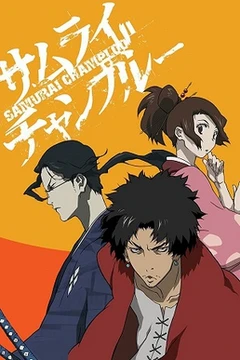
Jin, Mugen, and Fuu drive Samurai Champloo's Edo period setting where the katana functions as more than a weapon; it acts as an extension of the soul for the samurai class. Although combatants in the series wield spears and improvised tools, the long sword remains the primary instrument for the show's most iconic warriors. This blade embodies both the rigid traditions of feudal honor and the chaotic freedom sought by those who wander outside societal norms. Throughout the journey, the blade serves as a silent narrator. For some fighters, it is a tool of duty and precision, honed to perfection through years of disciplined training. For others like Mugen, it is merely an object wielded with raw instinct or discarded in favor of unconventional methods. The katana's presence highlights the central tension between the structured world of the shogunate and the fluid, hip-hop-infused reality that the protagonists inhabit.
- Primary Wielder
- Jin
- Secondary Wielders
- Various Ronin, Bandits, and Shogun Guards
- Cultural Era
- Edo Period (Tokugawa Shogunate)
- Symbolism
- Honor, Tradition, and the Burden of Feudal Duty
- Combat Style Association
- Iaijutsu and Traditional Kenjutsu
Lore & Background
Within the narrative, the katana is deeply tied to the concept of 'Bushido,' though the series often deconstructs these ideals. Jin, the stoic ronin, carries his sword with a reverence that reflects his past as a retainer for the Shimazu clan. His blade is not just a weapon but a testament to his lost honor and the weight of his history. Every draw is calculated, every strike precise, embodying the philosophy that a true samurai should only use violence when absolutely necessary. Conversely, the series contrasts this traditional view with characters who reject the sword's sanctity or wield it differently. While Mugen fights bare-handed or with improvised weapons, the katana remains the standard for his enemies and allies alike. The blade often becomes a focal point in duels that determine fate, where the clash of steel is accompanied by the rhythmic beats of hip-hop, blending historical warfare with modern sensibilities. This juxtaposition highlights how the weapon persists as a constant in a changing world. The katana also serves as a narrative device to explore themes of identity and redemption. For Jin, losing his sword or being forced into combat without it represents a loss of self. The journey across Japan is marked by encounters where the blade decides life and death, yet the true victory often lies in the choices made before the first cut is drawn.
In Their Own Story
The sun dipped below the horizon, casting long shadows across the dusty road as Jin tightened his grip on the hilt of his katana. The air was thick with tension, broken only by the rhythmic thumping of a distant beat that seemed to pulse through the earth itself. He stood still, eyes closed, breathing in sync with the wind. Across the field, an opponent raised their own blade, steel glinting against the fading light. Jin did not flinch; he simply waited for the moment when movement would become inevitable, knowing that his sword was waiting just as patiently to speak its truth.
Reader's Guide
Jin's fighting style is rooted in traditional Iaijutsu and Kenjutsu, emphasizing speed, precision, and economy of motion. He often relies on a single, decisive strike to end a confrontation, reflecting his philosophy that violence should be efficient and final. His mastery allows him to react instinctively without wasted energy, making him a formidable opponent even against multiple attackers. In contrast, other characters in the series may use the katana with less discipline or as part of a more chaotic brawl. The weapon's significance lies not just in its sharpness but in what it represents for the wielder. For Jin, it is a burden and a responsibility; for others, it might be a tool of survival or aggression. The mechanics of combat in this world often blend historical accuracy with stylized choreography. While the katana remains central to traditional duels, the series frequently subverts expectations by showing how skill can overcome numbers or how unconventional tactics can defeat a master swordsman. This reflects a broader theme: that true strength comes from within, not just from the weapon one holds.
Did You Know?
- The katana is often shown sheathed in a traditional scabbard (saya) until the moment of combat, emphasizing the discipline required to draw it quickly.
- Jin's preference for a single, clean strike contrasts sharply with Mugen's unpredictable and fluid fighting style, highlighting their differing philosophies.
- The series frequently uses close-up shots of the blade during tense moments to heighten the emotional weight of impending violence.
- Despite its importance, the katana is occasionally shown being broken or discarded, symbolizing the fragility of tradition in a changing world.
Gallery


Frequently Asked Questions
Who is the primary wielder of the katana in the series?
Jin serves as the main character associated with this traditional blade, utilizing it to contrast his refined discipline against Mugen's chaotic street style. His sword symbolizes the disciplined path of a ronin navigating the Edo period.
What combat styles are linked to the katana?
The weapon is primarily connected to Iaijutsu and traditional Kenjutsu, emphasizing precision and honor over raw power. This distinguishes Jin's calm technique from the more improvised fighting methods seen elsewhere in Japan.
What does the katana symbolize for the characters?
It acts as a silent narrator representing honor, tradition, and the heavy burden of feudal duty carried by wandering warriors. The steel blade cuts through both societal norms and the personal struggles of its owners throughout their journey.
Are there other users besides Jin?
Various ronin, bandits, and Shogun guards also wield these blades as tools for survival or law enforcement during the trip. However, Jin remains the most iconic figure associated with this specific weapon type in the show.
Why is the katana significant to the setting?
Set during the Tokugawa Shogunate, the sword defines the samurai class and their rigid code of conduct within a changing world. It highlights the conflict between established law and the freedom sought by the protagonists as they wander.