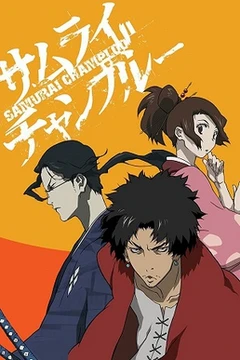
Shiki no Uta
Where ancient samurai swords meet modern beats in a timeless rhythm.

"Shiki no Uta" represents the thematic musical heartbeat of Samurai Champloo, symbolizing the "Song of Seasons" that guides the journey of Mugen, Jin, and Fuu. While not a single track title in the official soundtrack credits, it encapsulates the show's unique auditory identity where traditional Japanese instrumentation merges seamlessly with modern hip-hop beats. This fusion mirrors the narrative structure itself, moving through distinct seasonal episodes that reflect the passage of time and the changing moods of Edo-period Japan.
- Subject
- Music & Cultural Fusion
- Primary Artists
- Nujabes, Fat Jon, Force of Nature
- Genre Blend
- Hip-Hop / Traditional Japanese / Jazz
- Narrative Role
- Seasonal Storytelling Device
- First Appears
- Episode 1 (Opening Theme)
- Status
- Thematic Motif
Lore & Background
This musical approach reinforces the show's exploration of identity and belonging. As the trio travels across Japan, the soundtrack evolves to match their internal growth and external conflicts. The hip-hop elements represent Mugen's chaotic energy and modern sensibility, while traditional instruments often underscore Jin's disciplined samurai path. Together, they create a unified rhythm that binds the disparate characters together, suggesting that despite their differences, they are part of the same cultural tapestry.
In Their Own Story
The sun dipped low over the rice paddies as the three travelers paused at a roadside shrine. Mugen leaned against a torii gate, tapping his foot to an imaginary beat only he could hear. Jin stood silently, eyes closed, listening to the wind rustling through the bamboo. Fuu looked up from her sketchbook, realizing the breeze carried the scent of plum blossoms mixed with distant festival drums. In that moment, the boundary between the ancient world and their own rhythm dissolved; they were not just walking through history, but dancing within its song.
Reader's Guide
The show's identity is built on specific musical cues tied to episodes. "Battlecry" (Nujabes feat. Shing02) plays during intense action sequences, establishing the high-stakes tone early in Episode 1. "Aruarian Dance" serves as a recurring motif for moments of reflection or travel, often accompanying scenes where the trio debates their path forward. Its jazz-infused rhythm highlights the show's laid-back yet purposeful pacing. In later episodes like "Flower and Sword," traditional instruments take precedence during emotional climaxes, grounding the characters in their historical setting before returning to hip-hop beats for resolution.
Did You Know?
- Nujabes passed away shortly after the series concluded, making his contributions even more cherished by fans.
- The show's opening theme "Battlecry" was one of Nujabes' most popular tracks outside of Japan.
- Director Shinichiro Watanabe specifically chose hip-hop to contrast with the Edo-period setting for comedic and thematic effect.
Frequently Asked Questions
What is Shiki no Uta?
Shiki no Uta translates to "Song of Seasons" and serves as the thematic heartbeat of Samurai Champloo rather than a single official track title. It represents the show's unique auditory identity where traditional Japanese instruments blend seamlessly with modern hip-hop beats.
Who created the music for this concept?
The primary artists behind this sonic fusion include Nujabes, Fat Jon, and Force of Nature, who masterfully combined jazz, hip-hop, and classical Japanese sounds. Their work established the timeless rhythm that defines the series' atmosphere.
How does Shiki no Uta relate to the story?
This musical motif acts as a seasonal storytelling device that guides the journey of Mugen, Jin, and Fuu through distinct episodes. It reflects the passage of time and shifting moods within Edo-period Japan, mirroring the narrative structure itself.
When does this theme first appear?
The concept makes its debut in Episode 1 during the opening sequence, immediately setting the tone for the series' blend of eras. It establishes the cultural fusion that becomes central to the show's identity from the very start.
Why is Shiki no Uta important to fans?
It symbolizes the perfect meeting point where ancient samurai swords collide with modern beats, creating a timeless rhythm for viewers. This fusion encapsulates the entire spirit of the series, making it an essential element of its legacy.