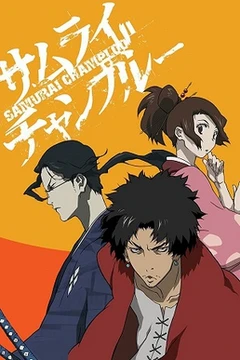
Turntablism
Vinyl scratches clash with steel blades in an Edo period reimagined by hip-hop rhythm.

Turntablism serves as the sonic backbone of the Samurai Champloo universe, bridging the gap between feudal Japan and contemporary hip-hop culture. While the story unfolds in the Edo period, the auditory experience relies heavily on scratching, sampling, and beatboxing techniques that define modern rap music. This artistic choice transforms the series into a living collage where historical drama meets street rhythm. The turntable is not merely an instrument but a narrative tool that dictates the pacing of battles and the mood of introspection throughout the journey.
- Primary Composer
- Nujabes
- Director
- Shinichiro Watanabe
- Setting Era
- Edo Period Japan
- Musical Genre
- Hip-Hop Fusion
- Cultural Theme
- Anachronistic Blend
Lore & Background
Within this unique reality, music transcends time. Characters do not acknowledge the modernity of the sound; instead, they move through their lives as if these beats are a natural law of their world. The rhythm dictates the flow of combat and travel. The fusion represents the internal state of the protagonists. Jin carries the weight of tradition, often accompanied by somber jazz samples, while Mugen embodies the raw energy of turntablism itself—unpredictable and loud. This sonic landscape allows the show to explore themes of destiny without being bound by strict historical accuracy. The music becomes a character in its own right, guiding Fuu toward her search for the samurai who smells of sunflowers.
In Their Own Story
Mugen paused mid-step on the dusty road, his hand hovering over an imaginary platter. To him, the wind rustling through the bamboo sounded like a scratch record looping. He grinned, snapping back into focus as Jin adjusted his sword hilt nearby. 'You hear that?' Mugen asked, tapping his temple. 'The beat's dropping.'
Jin remained silent, but his foot tapped once against the earth. In this world, the rhythm of fate was always spinning.
Reader's Guide
The soundtrack defines the show's identity, merging feudal swordplay with modern rhythm. Early episodes introduce this clash immediately; Mugen’s chaotic fighting style syncs perfectly with upbeat jazz-hop tracks. The scratching of records often mimics the clashing of steel during battle sequences. As the journey progresses, quieter moments utilize turntablism to underscore emotional weight rather than action. Specific compositions often mirror character arcs. Jin’s stoicism is paired with smoother, slower beats, while Fuu’s optimism matches brighter melodies. The anachronistic sound design never breaks immersion; instead, it creates a timeless atmosphere where past and present collide seamlessly. Fans recognize that the music isn't just background noise; it is a narrative device guiding the pacing of every fight scene.
Did You Know?
- The soundtrack heavily features the work of producer Nujabes before his passing.
- Turntablism is used to replace traditional orchestral scoring for action sequences.
- The show's aesthetic intentionally blends historical accuracy with modern street culture.
Frequently Asked Questions
Who is Turntablism?
This term describes the DJ techniques featured in the soundtrack rather than a specific person within the narrative.
What are Turntablism's powers or role?
It acts as the auditory foundation connecting Edo period visuals with modern hip-hop elements like scratching and sampling.
Who composed the turntablism music?
Director Shinichiro Watanabe guided the vision while composer Nujabes produced many of the defining hip-hop fusion tracks.
How does Turntablism's story end?
The musical style persists through the finale, maintaining the rhythmic blend even as the characters conclude their travels.
Why is Turntablism important?
This stylistic choice creates a unique mosaic where traditional samurai history intersects with contemporary street culture.