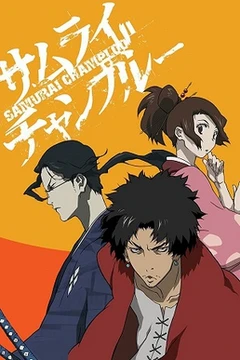
Aruarian Dance
A fan misconception blending Edo aesthetics with hip-hop soul.

The term 'Aruarian Dance' does not appear as an official element within the canonical narrative of Samurai Champloo. The series is celebrated for blending Edo-period aesthetics with hip-hop culture, but no formal dance style by this name exists in the script or production records.
- Canon Status
- Non-Canonical / Fan Misconception
- Associated Artist
- Nujabes (External Track Confusion)
- Show Era
- Edo Period Setting (Fictionalized)
- Genre Blend
- Hip-Hop + Traditional Japanese
- Primary Composer
- Shinichiro Watanabe / Nujabes / Fat Jon
Verified Timeline
Lore & Background
While specific dance styles like Kabuki or tea ceremony movements appear in episodes involving geisha or festivals, no 'Aruarian Dance' is documented in episode guides or official art books. The confusion likely stems from the enduring popularity of Nujabes' post-series discography, where tracks with similar titles evoke the same chill, atmospheric vibe found in the anime's opening and closing sequences.
In Their Own Story
The sun dipped low over the Edo streets, casting long shadows against the wooden facades. Mugen leaned against a lantern post, humming a tune that didn't belong to this time or place. Jin stood nearby, silent as always, but his eyes followed the rhythm of a distant drumming from a festival tent. There was no name for the beat they felt in their bones, only the shared understanding of a journey fueled by sound.
Reader's Guide
The show's identity relies heavily on its soundtrack rather than fictionalized dance forms. Episodes like 'Bloom in the Night' feature actual traditional performances that contrast with Mugen's street fighting style, highlighting the cultural clash central to the plot. The hip-hop aesthetic shapes character interactions; dialogue flows with rhythm, and fight choreography mimics breakdancing movements without naming them as specific canon dances.
Did You Know?
- Nujabes composed much of the soundtrack but passed away shortly after the series aired in 2004.
- The show's opening theme 'Battlecry' is performed by Fat Jon with a distinct boom-bap style.
- Director Shinichiro Watanabe intentionally mixed historical Japan with modern music to create a timeless atmosphere.
Visionary Fusion of Eras
Director Shinichirō Watanabe conceived Samurai Champloo with a bold artistic mandate: to seamlessly blend the traditional aesthetics of Japan's Edo period with the modern, anachronistic energy of hip hop culture. Departing from his previous collaboration with Yoko Kanno on Cowboy Bebop, Watanabe insisted on recruiting professional artists directly from the hip hop scene to ensure authenticity. This decision led to a collaborative team comprising Shinji "Tsutchie" Tsuchida of Shakkazombie, American musician Fat Jon, the legendary sampling DJ Nujabes, and the duo Force of Nature. The production process was notably improvisational and chaotic, with Watanabe deeply involved in selecting specific samples and tracks to match the animation's unique rhythm. While this approach alienated some traditional Japanese audiences who found the music jarring for a historical setting, it successfully created a soundscape where samurai swordplay coexisted with breakbeats and scratches, establishing a distinct sonic identity that matched the visual storytelling.
Collaborative Composition Process
The creation of the soundtrack was defined by intense collaboration and occasional creative friction among its five primary composers. Tsutchie, a friend of Watanabe from their work on Cowboy Bebop, joined early, intrigued by the concept of mixing samurai culture with rap. Nujabes was the first name that came to mind for the director due to his genre-blending reputation. However, the workflow faced challenges; Fat Jon's preference for fading tracks into one another clashed with Watanabe's desire for abrupt transitions, while the non-standard dubbing approach made finding suitable samples difficult for all involved. Force of Nature contributed heavily influenced hip hop tracks specifically designed for battle scenes. The project also featured unique guest contributions, such as beatboxer Afra voicing a character and traditional Ainu musician Umeko Ando performing "Pekambe Uk," which was licensed shortly before her death. Even the eyecatches featured professional DJ scratches, ensuring every audio element adhered to the series' rhythmic philosophy.
Thematic Songs and Vocal Narratives
The vocal themes of Samurai Champloo were crafted to reflect the show's emotional core through specific lyrical choices and performances. The opening theme, "Battlecry," was composed by Nujabes with lyrics written in English by Shing02, utilizing wordplay that referenced the series' historical setting and thematic struggles. A Japanese translation was later included in a guidebook to broaden accessibility. The main ending theme, "Shiki no Uta," also by Nujabes, featured vocals by Minmi, who envisioned a lonely girl in a kimono dancing through a town while singing of longing and hope. Other episodes featured distinct vocal styles; for instance, Episode 17 concluded with a mid-tempo ballad titled "You" performed by Kazami, which contrasted sharply with the series' dominant rap vocals. This track was originally requested as a rap song but became an emotional ballad after Tsutchie ignored that directive to better serve the narrative's conclusion.
Release History and Critical Reception
The music of Samurai Champloo has enjoyed a significant commercial and critical lifespan, beginning with its original release across four CD albums between 2004 and 2005 by Victor Entertainment. The soundtrack's enduring popularity was highlighted in 2022 when vinyl reissues were released, alongside various international editions in Japan and North America through other publishers. Beyond the anime itself, the music extended into gaming with the 2006 title Samurai Champloo: Sidetracked, which featured a score by Masafumi Takada rather than the original hip hop team. Western reviewers have consistently praised the soundtrack, noting its high artistic quality and successful integration with the animation. Retrospective articles continue to regard the music as a defining element of the series, acknowledging that while Watanabe's choice of hip hop may have initially limited the domestic audience, it ultimately cemented the show's legacy as a groundbreaking fusion of cultural styles.
Frequently Asked Questions
Who is Aruarian Dance?
There is no character or entity named Aruarian Dance within the official Samurai Champloo narrative. This term likely originates from fan confusion regarding Nujabes' external track titled "Aruarian Dream."
What are Aruarian Dance's powers or role?
Since this concept does not exist in the show's script, it holds no defined powers or narrative function. The series focuses on blending historical Edo settings with modern hip-hop culture rather than fictional dance entities.
How does Aruarian Dance's story end?
Because there is no canonical storyline associated with this name, it has no plot progression or conclusion in the anime. Fans sometimes mistake soundtrack credits for actual plot points when discussing the series lore.
Why is Aruarian Dance important?
While not a real element, the misconception reflects the show's celebrated fusion of traditional Japanese aesthetics and hip-hop soul. The true significance lies in the actual jazz compositions by Nujabes that define the series' atmosphere.
Where does the name Aruarian Dance come from?
The name is likely a misremembered reference to Nujabes' song "Aruarian Dream" rather than an in-universe event or style. No production records confirm a formal dance style by this designation within the Samurai Champloo universe.